
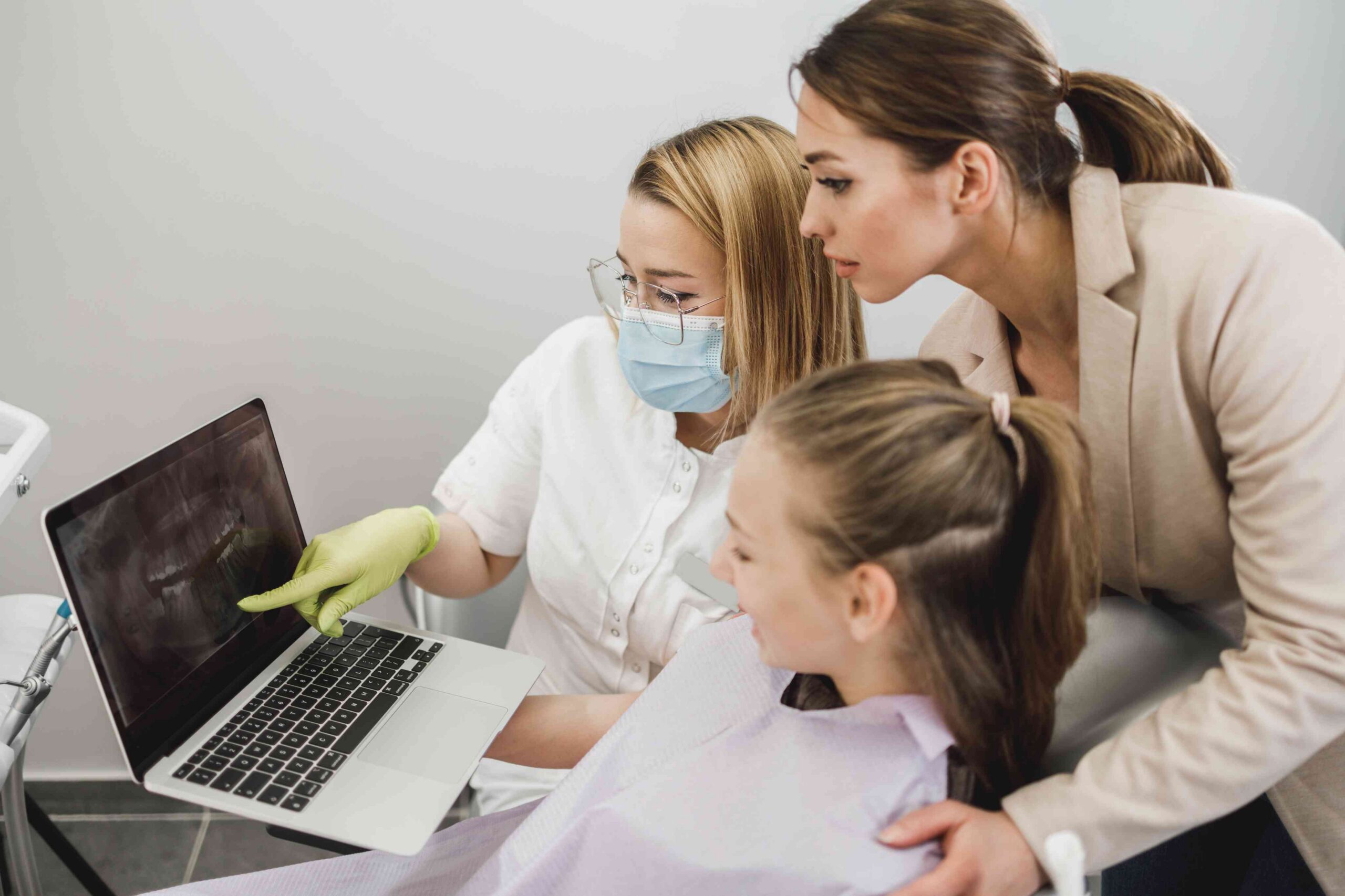
A family dentist in Lansing, MI may help patients with cleaning, exams, gum checks, cavity detection, tooth pain evaluation, home care guidance, and treatment planning for different ages. Lansing patients often need dental care that connects prevention with practical concerns such as sensitivity, bleeding gums, broken teeth, old fillings, and urgent symptoms. A dental visit can explain what looks healthy, what should be monitored, and when a concern may need faster attention.
Family dental care often begins with simple questions. A child may need help brushing back teeth. A teen may have sensitivity after sports or snacks. An adult may notice gum bleeding, tooth pressure, or an old filling that feels rough. For patients in Lansing, MI, one dental visit can help sort out routine concerns from symptoms that need closer review.
A family dentist in Lansing, MI can support prevention, diagnosis, and care planning for different stages of life. The goal is not to treat every patient the same way. The dentist may check for age, dental history, comfort level, medical conditions, bite, gums, and home care habits before recommending the next steps. This makes dental visits more useful for families who need clear guidance without guessing.
Family Care Should Fit the Person, Not Just the Appointment
Children, teens, adults, and older patients may all need cleaning, but the focus of care can be different. Children may need help building brushing habits, while teens may need support around crowded teeth, diet, or sports-related injuries.
Adults may need gum checks, tooth pain evaluation, worn filling review, or advice about grinding. Older patients may need closer monitoring around dental crowns, bridges, dentures, implants, dry mouth, or gum recession.
A family visit works best when each person receives guidance based on their own oral health.
A Routine Visit Can Reveal Early Changes
A patient searching for a dentist in Lansing, MI may come in for a cleaning and learn that a small concern needs attention before it becomes painful.
The dentist may check cavities, gums, oral tissues, bite pressure, old dental work, tooth wear, and areas that are hard to clean. X-rays may be recommended based on age, risk, symptoms, and dental history.
Early findings help patients understand what should be watched and what may need treatment.
Gum Health Is Part of Every Age Group
Gum bleeding can happen for several reasons. Plaque, tartar, brushing technique, medication, gum inflammation, or periodontal disease may be involved.
The dentist may check gum pocket depths, bleeding points, recession, swelling, and tartar buildup. These findings help explain whether routine cleaning, improved home care, or gum-focused treatment may be recommended.
Healthy gums support natural teeth, fillings, crowns, bridges, and other dental work.
Tooth Pain Needs the Right Explanation
Tooth pain may come from decay, cracks, exposed roots, gum infection, grinding, bite pressure, or nerve irritation. A sore tooth should be tested before treatment is chosen.
A dentist may ask when pain starts, what triggers it, and whether it lingers. Pain when biting may point to a different concern than sensitivity to cold or heat.
Correct diagnosis helps patients avoid unnecessary treatment and delayed care.
Urgent Symptoms Should Be Recognized Early
An emergency dentist in Lansing, MI may be needed when severe pain, swelling, trauma, broken teeth, bleeding, fever, or infection signs are present.
If swelling affects breathing or swallowing, emergency medical care is needed right away. Dental swelling and infection signs should not be ignored, even if symptoms seem to come and go.
Families benefit from knowing which concerns can wait and which should be checked promptly.
Children Need Simple, Consistent Guidance
Children may not always describe dental discomfort clearly. They may avoid chewing on one side, become sensitive to cold foods, or resist brushing near a sore area.
A dental visit may include checking tooth development, cavities, gums, bites, brushing patterns, and injury history. Parents can ask about home care, diet habits, fluoride, sealants, or loose teeth.
Gentle explanations help children understand dental visits as part of normal health care.
Teen Dental Needs Can Change Quickly
Teens may face dental risks from snacking, energy drinks, sports, orthodontic treatment, and changing routines. Cleaning may become harder if teeth are crowded or appliances are present.
The dentist may review brushing around back teeth, gumline cleaning, mouthguard use, and sensitivity. Bite changes and wisdom tooth questions may also come up during this stage.
Teen care should be direct, practical, and easy to follow.
Adult Patients Often Need Prevention and Repair Together
Adults may have old fillings, chipped teeth, worn enamel, gum recession, or symptoms from clenching. Dental care may involve both preventing new problems and maintaining past treatment.
A cracked filling may not hurt at first. Gum inflammation may feel mild. Bite pressure may slowly wear tooth edges over time.
Routine visits help connect these signs before they become harder to manage.
Portland Patients May Have Similar Family Dental Questions
A dentist in Portland, MI may be searched by someone with the same basic concerns as a Lansing patient: cleaning needs, tooth sensitivity, bleeding gums, old dental work, or pain that is difficult to explain.
What matters most is a complete evaluation. Patients need to know whether the concern is preventive, restorative, gum-related, or urgent.
The location may change, but the decision-making process should still be based on oral health findings.
Care for Households Should Include Urgent Planning
A family dentist in Portland, MI may help families understand how routine care and unexpected dental symptoms can overlap.
A child’s tooth injury, an adult’s broken crown, or an older patient’s denture sore spot may all need different types of attention. Some concerns can be scheduled, while others should be evaluated quickly.
A clear plan helps families respond calmly when symptoms appear.
Dental Injuries Need Prompt Direction
An emergency dentist in Portland, MI may be needed for broken teeth, knocked-out teeth, severe pain, swelling, or trauma.
Patients should avoid chewing on a broken tooth, save tooth pieces or a lost crown if available, and seek guidance promptly. A knocked-out adult tooth should be kept moist and handled by the crown, not the root.
Urgent dental care starts with diagnosis and safety.
What to Expect During a Family Visit
Before the appointment, patients should mention pain, sensitivity, bleeding gums, swelling, dry mouth, medications, allergies, dental anxiety, injuries, and changes in chewing.
During the visit, the dentist may check teeth, gums, bites, restorations, oral tissues, and areas where cleaning is difficult. Cleanings and X-rays may be recommended when appropriate.
After the visit, each patient should understand what looks healthy, what needs monitoring, and what treatment may be recommended.
How Family Dental Care Helps Over Time
Consistent dental visits may help patients:
- Find cavities earlier
- Understand tooth sensitivity
- Review gum health
- Monitor old fillings
- Check bite pressure
- Improve brushing and flossing habits
- Plan care by age
- Recognize urgent symptoms
- Support long-term oral health
- Reduce uncertainty about dental changes
The value comes from clear records, regular monitoring, and advice that changes as patients age.
Local Patient Review
“Our family had different concerns on the same visit. The explanations helped us understand what routine was, what needed watching, and what should be checked sooner.”
Dental Care Should Make Family Decisions Easier
Families need dental guidance that feels practical, age-aware, and clear. Lansing patients can visit Grand Ledge Smiles for preventive care, tooth pain evaluation, gum checks, and help understand which dental concerns should be handled first.
Frequently Asked Questions
What does a family dental visit usually include?
It may include an exam, cleaning, gum check, cavity screening, bite review, home care guidance, and discussion of symptoms.
Can children and adults receive care in the same office?
Yes. Family dental care may support different ages with recommendations based on each person’s oral health and comfort.
Why do gums bleed during brushing?
Bleeding may come from plaque, tartar, brushing technique, medication, gum inflammation, or periodontal disease.
When should tooth pain be checked quickly?
Severe pain, swelling, fever, trauma, bleeding, or infection signs should be evaluated promptly.
Can old fillings cause new problems?
Yes. Fillings can wear, crack, leak, or trap food, even if they do not get hurt at first.
How can parents help children clean better?
Parents can supervise brushing, help with flossing, limit frequent sugary snacks, and ask the dentist for age-specific tips.
Does grinding affect teeth?
Grinding or clenching may wear enamel, crack fillings, chip teeth, and cause jaw soreness.
What should patients mention before an appointment?
Mention pain, sensitivity, bleeding, swelling, anxiety, medications, allergies, dry mouth, injuries, and recent health changes.