
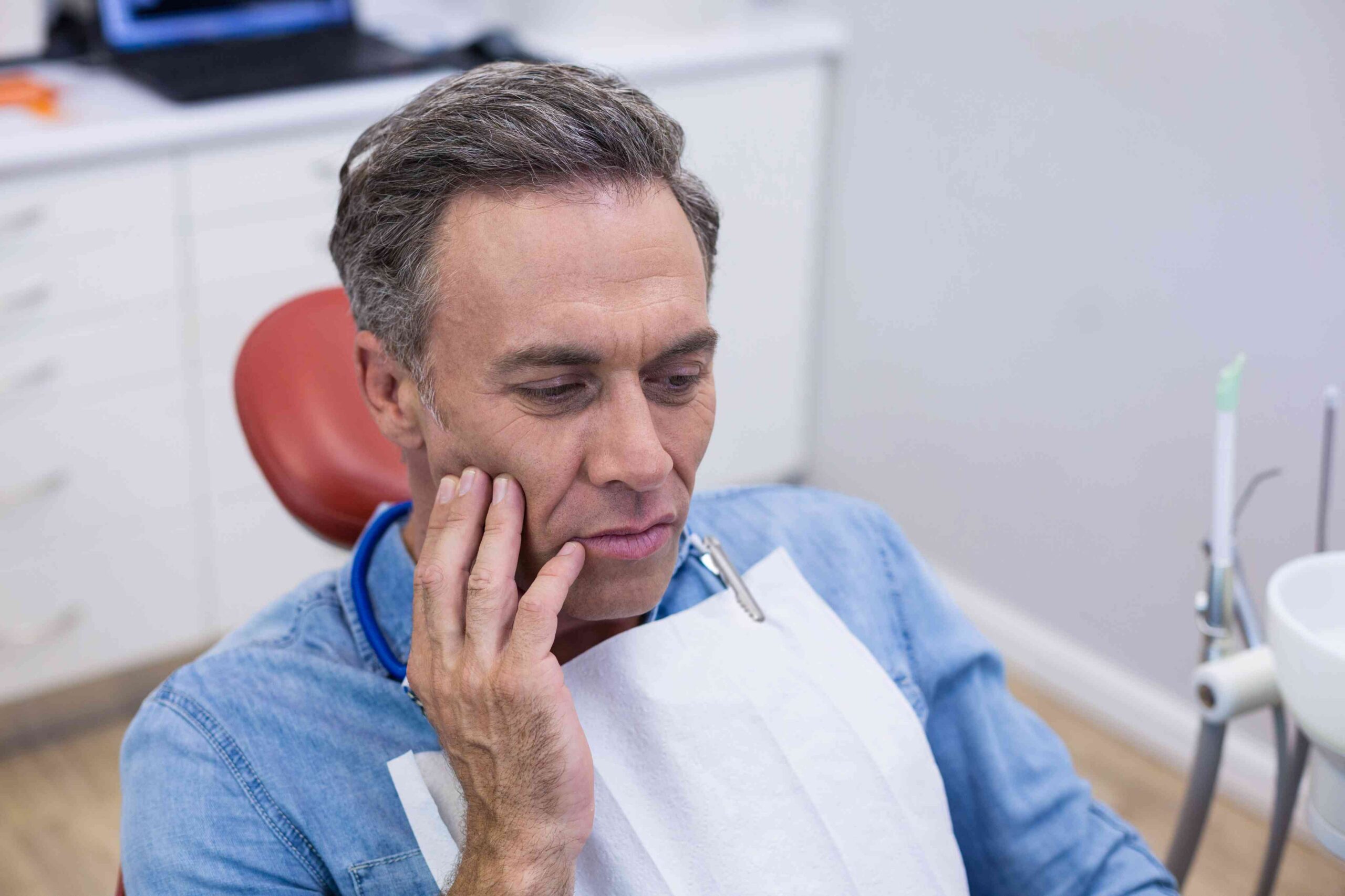
An Emergency Dentist may evaluate severe tooth pain, swelling, broken teeth, knocked-out teeth, bleeding, trauma, fever, or signs of infection. Patients in Grand Ledge, Lansing, and Portland should seek prompt dental evaluation when symptoms are intense, spreading, or linked to injury. If swelling affects breathing or swallowing, emergency medical care is needed immediately. A dental exam helps identify whether the concern needs repair, stabilization, infection management, or follow-up treatment.
Dental problems can become stressful quickly, especially when pain starts suddenly or a tooth break during a normal day. A patient in Grand Ledge may wake up with throbbing pain. Someone in Lansing may lose a filling while eating. A patient in Portland may notice swelling near the gums and wonder whether it can wait.
A visit with an Emergency Dentist should begin with finding the source of the problem. The dentist may check the painful tooth, gums, bite, jaw, old dental work, and nearby tissues before recommending care. Some urgent concerns can be repaired during the visit. Others may need X-rays, stabilization, infection evaluation, medication guidance when appropriate, or follow-up treatment after the immediate risk is addressed.
Tooth Pain That Disrupts Your Day Needs Attention
Tooth pain can feel sharp, dull, throbbing, or pressure-like. It may happen with chewing, cold drinks, heat, sweets, or no clear trigger. Pain that affects sleep, eating, school, work, or daily focus should be checked.
In many cases, an Emergency Dentist may be needed when pain is severe, spreading, or linked to swelling. Possible causes include deep decay, a cracked tooth, nerve inflammation, gum infection, bite trauma, or abscess.
Pain relievers may reduce discomfort for a short time, but they do not diagnose the cause. A dental exam helps show whether the tooth can be repaired, needs infection evaluation, or requires another treatment path.
Swelling Can Be a Warning Sign
Swelling near a tooth, gum, jaw, cheek, or face should be taken seriously. It may appear with tenderness, fever, drainage, a bad taste, or trouble opening the mouth. Even mild swelling can signal that a dental infection or inflammation needs attention.
If swelling affects breathing or swallowing, emergency medical care is needed immediately. This is a serious warning sign and should not wait for a dental appointment.
Patients should not try to drain swelling at home. Pressing on the area or using sharp objects can make irritation worse and does not treat the source.
When a Walk-In Visit May Be Considered
A patient looking for a walk-in emergency dentist may be dealing with pain that feels hard to ignore. Sudden swelling, a broken tooth, a knocked-out tooth, bleeding after injury, or severe biting pain may need quick evaluation.
Even during an urgent visit, the dentist still needs to diagnose the problem before choosing treatment. The visit may include an exam, X-rays, bite testing, gum review, or checking the health of nearby teeth.
Fast care should still be careful care. The goal is to understand what is happening and decide the safest next step.
Local Help Can Make Follow-Up Easier
A patient searching for a local emergency dentist may want help close to home, especially when pain, swelling, or a broken tooth makes travel difficult. Local care can also make follow-up visits easier if the first appointment only stabilizes the problem.
Some urgent visits are the first step in a longer plan. A temporary filling may need a final restoration. A painful tooth may need further testing. Swelling may need monitoring after the source is addressed.
Being able to return for follow-up can support better continuity of care.
Urgent Symptoms Need Clear Priorities
Patients seeking urgent dental care often want quick relief, but the right treatment depends on diagnosis. A lost crown needs a different plan than facial swelling. A chipped front tooth is different from deep pain in a molar.
The dentist may decide whether the visit should focus on repair, pain source testing, infection evaluation, temporary protection, or treatment planning. Severe symptoms may need prompt attention before other dental concerns are discussed.
Clear priorities help patients understand what needs care first.
Pain That Comes and Goes Still Matters
A second visit with an Emergency Dentist may be needed when pain fades and then returns with pressure, swelling, or a gum bump. A tooth that becomes quiet is not always healthy.
Sometimes the nerve inside the tooth changes, while infection or inflammation remains active. This can make pain less intense for a while before other symptoms appear.
Testing helps decide whether the tooth needs treatment inside the root, a restoration, monitoring, or another option.
Walk-In Needs Can Still Lead to Staged Care
A second search for a walk-in emergency dentist may happen when a patient wants the whole problem solved right away. Some concerns can be treated in one visit, but others need stages.
Swelling, infection, trauma, complex fractures, or deep tooth pain may require stabilization first. The dentist may place a temporary restoration, manage the immediate concern, or plan further treatment once the area is safer to treat.
Patients should leave knowing what was handled and what still needs follow-up.
Local Evaluation Helps with Practical Decisions
A second mention of a local emergency dentist belongs in the decision-making part of care. Patients in Grand Ledge, Lansing, and Portland may need help understanding whether a symptom is urgent, whether follow-up is needed, and what warning signs should be watched.
The dentist may explain whether the tooth is stable, whether infection risk is present, and whether the next step should happen soon. This kind of guidance can reduce confusion after a stressful dental problem.
A clear plan is often just as important as short-term relief.
What to Expect During the Visit
During a visit with Grand Ledge Smiles, the dentist may examine the painful area, gums, bite, jaws, old restorations, and nearby teeth. X-rays or specific tests may be recommended depending on the symptoms.
The exam may show that the tooth needs repair, stabilization, infection evaluation, root canal discussion, extraction discussion, or follow-up treatment. The dentist should explain what is being addressed during the visit and what may still need attention.
A clear explanation can help patients feel more prepared after urgent symptoms are reviewed.
Why Timely Evaluation Supports Safer Care
Patients in Grand Ledge, Lansing, and Portland may not always know whether a dental concern can wait. Severe pain, swelling, fever, trauma, bleeding, a knocked-out tooth, or a broken tooth should be evaluated promptly.
An Emergency Dentist can help identify the source before the problem becomes more difficult to manage. Early evaluation may help protect tooth structure, reduce infection risk, and clarify whether care can be completed right away or handled in stages.
Urgent dental visits should focus on both comfort and diagnosis.
Benefits of Prompt Dental Guidance
For patients with intense pain, swelling, injury, or damaged teeth, urgent dental care may help explain the source and reduce the chance of further damage.
Some concerns are simple repairs. Others involve infection, fractures, deep decay, nerve problems, or trauma that needs more detailed care. The dentist may help decide what needs attention first and what can be planned after the urgent concern is stable.
A helpful visit gives patients direction based on findings, not guesswork.
Local Patient Review
“I had tooth pain that became worse over the day and was not sure if I should wait. The visit helped explain the source and what needed to happen next.”
Sudden Dental Symptoms Need Clear Direction
Patients in Grand Ledge, Lansing, and Portland can feel more prepared when pain, swelling, injury, or broken teeth are evaluated carefully. Grand Ledge Smiles can help review concerns and explain a practical next step.
Frequently Asked Questions
What symptoms should be checked quickly?
Severe pain, swelling, fever, trauma, bleeding, broken teeth, or signs of infection should be evaluated promptly.
Can swelling near a tooth be serious?
Yes. Swelling may be linked to infection, and breathing or swallowing trouble needs emergency medical care.
What should I do if a tooth breaks?
Avoid chewing on that side, save any pieces, keep the area clean, and arrange a dental evaluation.
Is a knocked-out adult tooth urgent?
Yes. Keep it moist, handle it by the crown, and seek care as quickly as possible.
Can tooth pain disappear without being fixed?
Pain may fade for a time, but the source can still be active and should be checked.
Will care be completed in one visit?
Sometimes. Some problems can be treated right away, while others need stabilization and follow-up.
Should I bring a lost crown or filling?
Yes. Bring any available pieces so the dentist can check whether they can be reused safely.
What should I tell the dentist?
Share symptoms, timing, medications, allergies, health history, injuries, and recent dental work.