
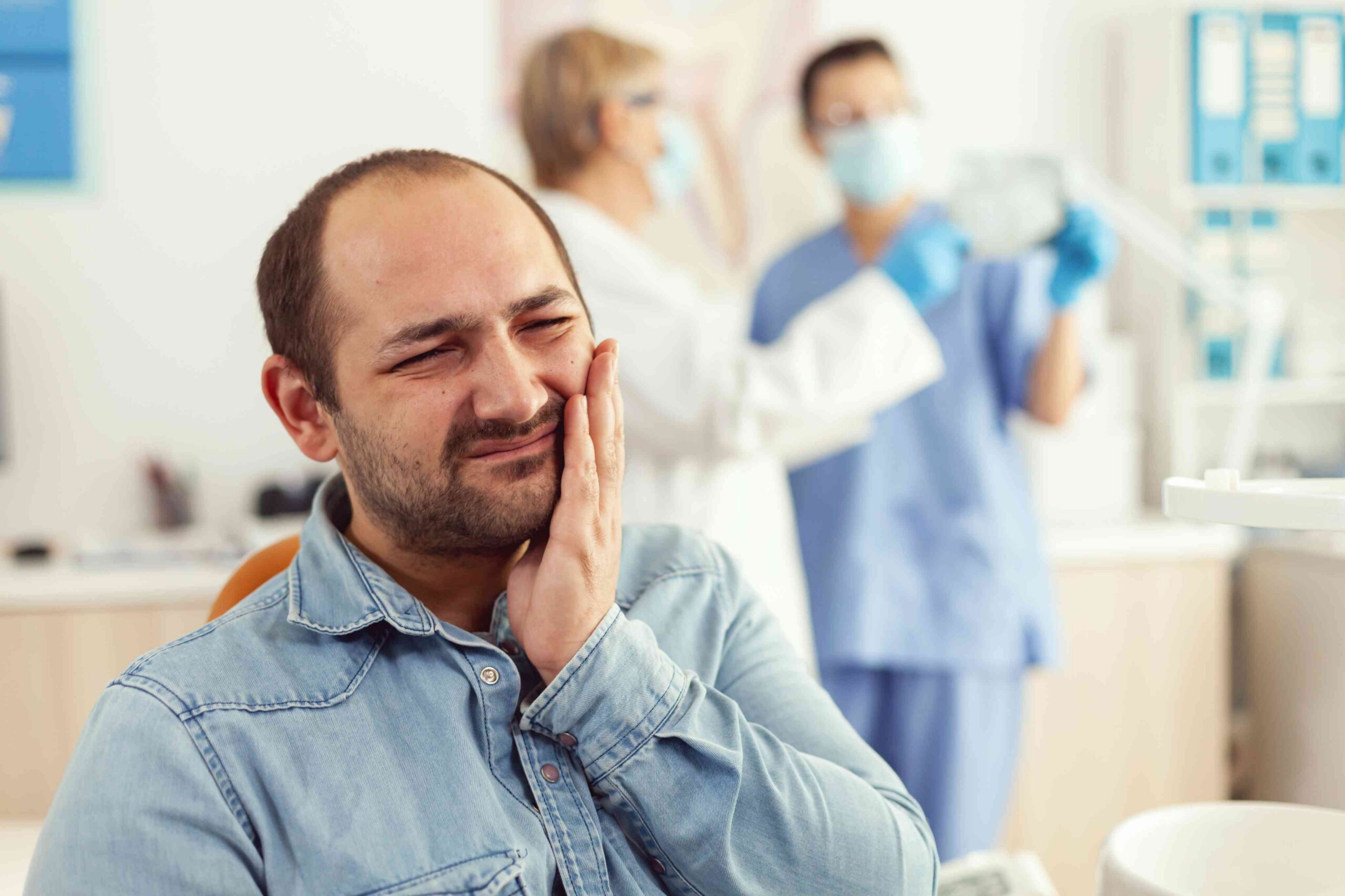
A search for an emergency dentist with no insurance in Grand Ledge, MI often means a patient has severe tooth pain, swelling, a broken tooth, dental trauma, bleeding, fever, or infection signs, while also worrying about payment. Urgent dental symptoms should be evaluated promptly, even without insurance. A dentist first identifies the cause, then explains treatment options and payment-related information based on office policies. Care depends on diagnosis, oral health, symptoms, tooth condition, and risk.
Dental pain can make ordinary tasks difficult. Eating, sleeping, speaking, or focusing on work may become harder when a tooth throbs or swelling begins. For patients in Grand Ledge, MI, the situation can feel even more stressful when dental insurance is not available.
Searching for an emergency dentist with no insurance in Grand Ledge, MI means the patient needs help with both an urgent symptom and practical payment concerns. Severe pain, swelling, trauma, uncontrolled bleeding, fever, or infection signs should be checked quickly. A dental exam helps identify whether the concern involves decay, infection, a cracked tooth, gum tissue, damaged dental work, or bite pressure. After the cause is known, our dentist can explain what treatment options may apply.
Dental symptoms that should not wait
Some symptoms need prompt dental evaluation. Severe tooth pain, swelling in the face or gums, a broken tooth, a knocked-out tooth, uncontrolled bleeding, pus, fever, or spreading pressure may require urgent care.
These concerns may be linked to infection, deep decay, nerve irritation, trauma, or structural damage. Waiting too long may allow the problem to become harder to treat.
An emergency dentist with no insurance, Grand Ledge, MI visit should start with a diagnosis. Once our dentist knows what is causing the pain or swelling, treatment options and payment-related questions can be discussed more clearly.
Why tooth pain needs a closer look
Tooth pain can come from different sources. It may feel sharp, dull, throbbing, or heavy. It may happen while chewing, after cold drinks, at night, or without a clear trigger.
A painful tooth may have decay, a crack, gum inflammation, an infected nerve, a loose filling, or pressure from the bite. Pain that fades and returns can still be a warning sign.
Our dentist may examine the teeth, gums, bites, jaws, nearby teeth, and existing dental work. X-rays may be recommended to check for decay, infection, fractures, or damage below the gumline.
Swelling, fever, and infection signs
Swelling near a tooth, gum, jaw, or face should be taken seriously. It should be checked promptly if it spreads, feels warm, creates pressure, or happens with a fever, bad taste, or trouble opening the mouth.
Dental infections may affect nearby tissues and can become more serious without care. If swelling affects breathing, swallowing, or overall safety, emergency medical care may be needed.
Even without insurance, swelling should not be treated as a minor issue for long. A dental evaluation helps identify where the infection or inflammation may be coming from.
Broken teeth, loose crowns, and lost sillings
A tooth can break from chewing hard food, a fall, an accident, or an old restoration giving way. Some breaks are visible. Others are hidden and only cause pain when biting.
A loose crown or lost filling can expose sensitive tooth structure. Food and bacteria may collect around the area, increasing irritation and decay risk. Patients should avoid chewing on that side until the tooth is examined.
If a crown, filling piece, or broken tooth fragment comes out, bring it to the appointment when possible. The dentist can check whether repair, replacement,, recementing, or another treatment may be needed.
How patients without Insurance can ask for help
Non-insurance patients can still ask clear questions during the visit. The dental office may explain payment-related information, office policies, and how the treatment plan is organized.
Useful questions include:
- What is causing the symptoms?
- Is this problem urgent?
- What care is needed first?
- Are there other suitable options?
- Can any care be phased?
- What payment information can the office provide?
- What symptoms should I see after the visit?
These questions help patients understand the dental issue before making decisions.
Affordable emergency care still starts with a diagnosis
A person looking for an affordable dentist in Grand Ledge, MI, during an emergency may want the fastest and least stressful option. Cost matters, but treatment should still match the diagnosis.
The simplest choice may not always be the best long-term choice. Removing a tooth may solve one problem, but it may require replacement planning later. Saving a tooth may be possible in selected cases, depending on the infection, crack, remaining structure, and gum support.
During an urgent visit to Grand Ledge Smiles, patients may discuss the exam findings, immediate concerns, possible treatment options, and payment-related questions after the dentist evaluates the painful area.
Where payment plans may fit with follow-up care
A patient may search for payment plans for dentists at Grand Ledge, MI, because emergency treatment may not end with one visit. Some urgent appointments focus on stabilizing the problem first.
Follow-up care may include final restoration, root canal treatment, crown, extraction follow-up, gum care, or monitoring. The timing depends on the diagnosis and the treatment started during the emergency visit.
Payment options depend on the office’s actual policies. Patients should ask directly what payment information can be reviewed and how follow-up care may be planned.
Steps to take before the appointment
While waiting for dental care, patients can take simple, protective steps. Rinse gently with warm water if the mouth feels irritated. Use a cold compress on the outside of the face if swelling follows injury.
Avoid chewing on the painful or broken side. Do not place aspirin directly on the tooth or gums because it can irritate tissue. Keep any broken pieces or loose restorations if possible.
These steps do not treat the cause. They only help protect the area until a dentist can evaluate the problem.
What usually happens during an emergency visit
An emergency dental visit often begins with questions about the symptoms. Our dentist may ask when pain starts, whether swelling is present, what makes it worse, and whether an injury occurred.
The exam may include painful teeth, gums, bites, jaws, nearby teeth, and soft tissues. X-rays may be recommended to check for decay, infection, bone changes, fractures, or damage below the gumline.
Care may involve smoothing a sharp edge, repairing a filling, recementing a crown, draining an infection when appropriate, medication guidance, root canal treatment, extraction, or follow-up planning. The exact recommendation depends on the diagnosis.
Real smile, real stories
Had an emergency that I needed taken care of before a wedding I’m in this weekend. Doctor Grimm had it handled, will definitely be going back to see him for all my future dental needs. Very happy with the outcome! Thank you! – Lilianna M.
Dr. Grimm took great care of me. He brought up options I never considered before, including an opportunity to save on some pain. His openness, honesty, and care for his patients are like no other! – Victoria K.
Shout out to Dr. Grimm and his team for taking my tooth pain and fixing it quickly and efficiently with a root canal. – Ashlyn S.
About the Grand Ledge Smiles team
Our team provides patient-focused care in a welcoming environment. We take time to listen, answer questions, and explain treatment recommendations. Interested in learning more? Visit this page now!
Is it time to have your tooth pain checked?
If you’re experiencing ongoing tooth pain and searching for an emergency dentist with no insurance in Grand Ledge, MI, a dental evaluation can help identify the cause and discuss available options. Our experienced team is here to answer questions and help you understand your next steps.
Frequently Asked Questions
When should I see an emergency dentist with no insurance in Grand Ledge, MI?
Seek urgent dental care for severe pain, swelling, trauma, uncontrolled bleeding, fever, or signs of infection. These symptoms should be checked promptly. Call our team ASAP for urgent care at (517) 412-2267!
Can I go to a dentist without dental insurance?
Yes, patients without insurance can still have a dental concern evaluated. Ask the office directly about payment information and available policies. You can also visit our New Patients page for more details.
Is facial swelling from a tooth a serious concern?
Yes, swelling may be linked to infection and should be checked quickly. If breathing or swallowing is affected, seek emergency medical care.
What if my tooth breaks, but I am worried about payment?
A broken tooth should still be evaluated. Our dentist can explain the diagnosis, urgency, and payment-related information that the office can provide. Call us ASAP for care at (517) 412-2267!
Can emergency dental treatment begin on the same day?
Sometimes care can begin the same day, depending on the diagnosis and complexity. Other cases may need stabilization and follow-up care.
Will I be told about my options before treatment?
Our dentist will explain findings and suitable options after the exam. Patients can ask what is urgent and what may be planned later.
Can payment plans apply after an emergency visit?
Payment options depend on the office’s policies and the treatment needed. Ask directly after the diagnosis and care plan are explained.
Should I ignore pain if it comes and goes?
Recurring pain can still signal decay, cracks, nerve irritation, or bite pressure. A dental exam can help find the cause before symptoms worsen.