
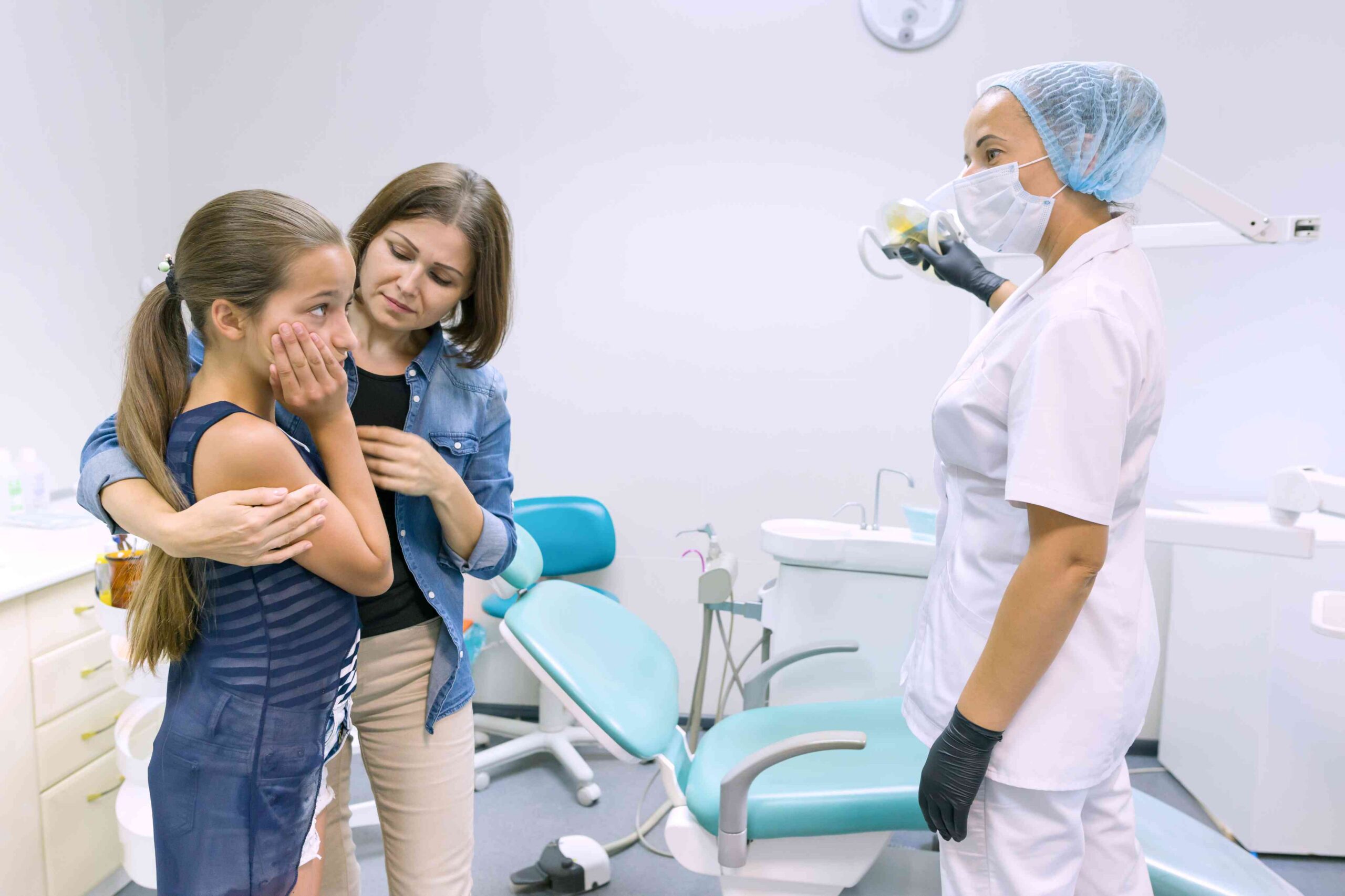
A dentist in Portland, MI may help patients with cleaning, exams, gum bleeding, cavities, tooth sensitivity, old fillings, broken teeth, family dental needs, and urgent symptom guidance. Portland patients often need help deciding whether a concern is routine, preventive, restorative, or urgent. A dental visit can explain what looks healthy, what should be monitored, what treatment may be recommended, and which symptoms may need prompt attention.
Dental questions are not always easy to sort. A patient in Portland, MI may need a cleaning but also wonder why their gums bleed. Another may have a chipped tooth that has not hurt yet. A parent may ask whether a child’s tooth injury can wait. Someone else may wake up with swelling and need faster guidance.
A dentist in Portland, MI visit can help separate routine care from symptoms that need quicker attention. The dentist may review teeth, gums, bites, old fillings, oral tissues, and any pain or injury before explaining what should happen next. This kind of visit can support prevention, family care, restorative planning, and urgent symptom awareness in one clear conversation.
The First Question Is What Changed
Patients do not need to diagnose themselves before calling. It helps to describe what changed, when it started, and whether symptoms are getting worse.
Pain, bleeding, swelling, loose teeth, chipped enamel, food trapping, or sensitivity each point to different possibilities. The dentist uses the exam to sort the concern into the right category.
A clear starting point helps prevent guessing.
Cleanings Help Track Oral Health
Professional cleanings remove plaque and tartar that brushing and flossing may be missed. They also show where home care may need support.
The dental team may notice buildup near back teeth, bleeding at the gumline, tight contacts, rough fillings, or recession. These findings help guide home care advice.
Cleaning is also a chance to ask about sensitivity, bad breath, dry mouth, or changes in chewing.
Family Care Brings Different Needs Together
A family dentist in Portland, MI may support children, teens, adults, and older patients with care that fits their age and risk.
Children may need help building brushing habits. Teens may need guidance around sports injuries or crowded teeth. Adults may need gum checks, tooth pain diagnosis, or an old filling review. Older patients may need to monitor around crowns, dentures, bridges, or dry mouth.
Family care works best when advice is specific to each patient.
Urgent Symptoms Should Be Sorted Quickly
An emergency dentist in Portland, MI may be needed when severe pain, swelling, trauma, broken teeth, fever, bleeding, or infection signs are present.
If swelling affects breathing or swallowing, emergency medical care is needed immediately. Serious facial trauma or uncontrolled bleeding may also need medical attention first.
Knowing this difference can help patients choose the safest next step.
Gum Bleeding May Need More Than Better Brushing
Bleeding gums may come from plaque, tartar, brushing technique, medication, gum inflammation, or periodontal disease. It should be checked when it keeps happening.
The dentist may measure gum pockets, look for tartar below the gumline, and check for swelling or recession. These findings help determine whether routine cleaning, home care changes, or gum-focused care may be recommended.
Healthy gums support teeth and dental work overtime.
Tooth Sensitivity Has Many Possible Causes
Sensitivity may happen with cold drinks, sweets, brushing, chewing, or breathing cold air. It may affect one tooth or several teeth.
Possible causes include gum recession, enamel wear, cavities, cracks, grinding, exposed roots, or old dental work. The dentist may ask how long the sensation lasts and what triggers it.
A correct explanation helps guide the right care.
Lansing Patients May Start with Similar Questions
A person searching for a dentist in Lansing, MI may have many of the same concerns as a Portland patient: cleaning, sensitivity, gum bleeding, broken teeth, or old dental work.
The dental process should still begin with an exam and symptom review. Local care is most useful when it gives patients clear direction.
Patients should leave knowing what is healthy, what should be watched, and what may need treatment.
Household Dental Planning Can Reduce Confusion
A family dentist in Lansing, MI may help families organize dental needs across different ages and symptoms.
One family member may need preventive care, another may need tooth pain evaluation, and another may need help understanding urgent signs. A structured visit can help separate priorities.
Dental planning feels easier when patients understand which concerns matter first.
Dental Emergencies Can Happen Outside Routine Visits
An emergency dentist in Lansing, MI may be part of the discussion when patients ask what to do about severe pain, swelling, knocked-out teeth, or broken restorations.
Emergency symptoms need attention because delay can allow pain, infection, or damage to worsen. The dentist may first focus on diagnosis and stabilization.
Follow-up treatment may be needed once the urgent concern is controlled.
Broken Teeth Should Be Checked Even Without Pain
A chipped or cracked tooth may feel sharp but not painful. That does not always mean it is safe to wait.
A break may expose deeper layers of tooth structure. It may also worsen if the patient keeps chewing on that side. Old fillings can weaken remaining tooth structure and contribute to cracks.
A dental exam can show whether smoothing, bonding, filling, a crown, or another treatment may be needed.
Old Fillings and Crowns Need Monitoring
Fillings and crowns can last for years, but they still need regular review. A filling may crack, wear, or leak around the edge. A crown may loosen or develop decay near the margin.
Patients may notice food catching, floss shredding, roughness, or chewing discomfort. Some problems are only visible during an exam.
Monitoring older dental work helps reduce unexpected problems.
What to Expect Before, During, and After the Visit
Before the appointment, patients should mention pain, sensitivity, swelling, bleeding, dry mouth, injuries, dental anxiety, medications, allergies, and recent health changes.
During the visit with Grand Ledge Smiles, the dentist may check teeth, gums, bites, restorations, oral tissues, and areas of concern. Cleanings, X-rays, or specific tests may be recommended based on symptoms.
After the visit, patients should understand what is stable, what needs follow-up, and what symptoms should be watched.
How a Complete Dental Visit Helps
A complete visit may help patients:
- Understand tooth pain
- Find cavities earlier
- Review gum health
- Check old fillings and crowns
- Identify bite pressure
- Discuss broken teeth
- Improve home care
- Plan family dental needs
- Recognize urgent symptoms
- Organize care in stages
The goal is clear guidance that helps patients make informed decisions.
Local Patient Review
“I came in for a regular visit but also asked about a chipped tooth. The dentist explained what needed treatment and what could be monitored.”
Knowing Where to Start Makes Dental Care Simpler
Routine visits, family care, and urgent symptoms often overlap. Portland patients can visit Grand Ledge Smiles for dental evaluation, prevention, tooth pain guidance, and help deciding which concerns need attention first.
Frequently Asked Questions
What happens during a standard dental visit?
The dentist may check teeth, gums, bites, restorations, oral tissues, cavities, and areas causing symptoms.
Can one appointment cover several concerns?
Yes. Patients can discuss cleaning, sensitivity, bleeding gums, broken teeth, pain, and home care questions.
When is swelling a serious concern?
Swelling should be checked promptly. Breathing or swallowing trouble needs emergency medical care.
Can a chipped tooth wait if it does not hurt?
It should be evaluated because cracks or exposed tooth structure can worsen with chewing.
Why do my gums bleed when flossing?
Bleeding may be caused by plaque, tartar, gum inflammation, technique, medication, or periodontal disease.
Do old crowns need checkups?
Yes. Crowns should be monitored for fit, margins, bite pressure, and decay around the edges.
What should parents do after a child’s tooth injury?
They should call for guidance, describe the injury clearly, and save any tooth pieces if available.
How are dental priorities decided?
The dentist considers pain, infection risk, broken teeth, gum health, function, and long-term stability.