
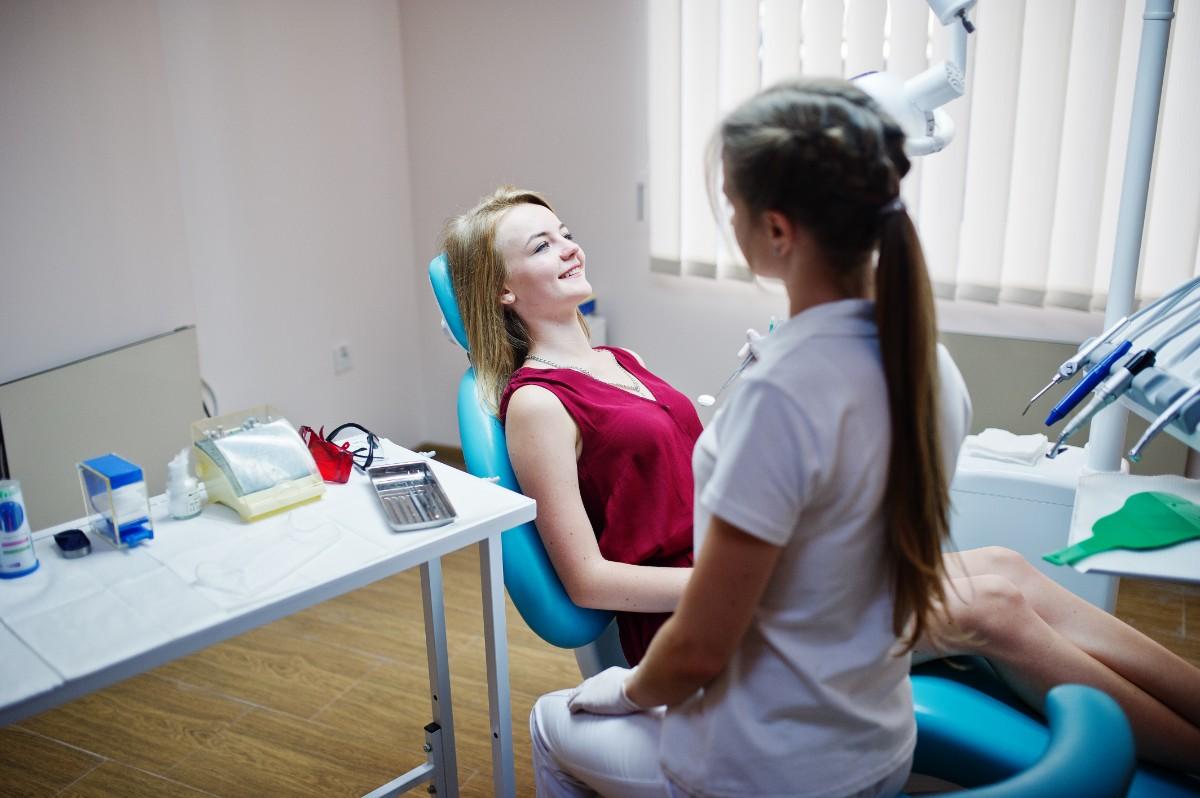
A Dentist in Grand Ledge MI patients choose to provide preventive exams, cleanings, gum checks, clear treatment planning, family dental support, and cosmetic guidance after a complete evaluation. Regular dental visits in Grand Ledge MI can help identify cavities, gum inflammation, worn enamel, cracked teeth, bite changes, tooth sensitivity, and early oral health concerns before they become harder to manage. A good dental visit should explain what is healthy, what needs care first, and what can be monitored.
Dental care feels easier when patients understand what is happening in their mouth. A tooth may feel sensitive during meals; gums may bleed when brushing, or an older filling may feel different than it used to. Some patients in Grand Ledge MI may not have pain but still want to know whether their teeth, gums, and bites are healthy.
A search for Dentist Grand Ledge MI often begins with a simple goal: finding clear guidance from a local dental office. Patients may want a routine exam, help with a concern, or advice about cosmetic options such as whitening. A useful visit should not feel rushed or confused. It should explain current oral health, the reason behind any recommendation, and how prevention, repair, family care, or cosmetic planning may fit over time.
A strong dental visit begins with a clear baseline. Your dentist may review health history, medications, dental habits, past treatment, symptoms, and goals. These details help explain why some patients are more prone to cavities, sensitivity, gum changes, or dry mouth.
The exam may include checking tooth surfaces, gum tissue, bite pressure, oral tissues, and existing dental work. Cleanings help remove plaque and tartar that daily brushing and flossing may not be fully removed at home.
X-rays may be recommended when needed. They can help show cavities between teeth, bone levels, root concerns, impacted teeth, or problems under older fillings or crowns.
Why Prevention Changes the Dental Conversation
Preventive care helps patients avoid making decisions only when pain appears. A small cavity, mild gum inflammation, or worn filling may be easier to manage when found early.
Patients in Grand Ledge MI may also benefit from conversations about dry mouth, frequent snacking, clenching, grinding, tobacco use, sports habits, and flossing techniques. These everyday factors can affect oral health over time.
Prevention does not mean dental problems can never happen. It helps make care more predictable by finding concerns before they become more complex.
Small Changes That Deserve Attention
The mouth often gives small clues before a larger dental issue develops. Sensitivity, bleeding gums, food trapping, rough fillings, jaw soreness, or a change in how teeth meet should be shared during a visit.
A tooth that hurts only when chewing could have a crack or bite-pressure issue. Gums that bleed may be inflamed. A filling that feels rough may no longer seal the tooth well.
These signs do not always point to one specific problem. A dental evaluation helps separate routine sensitivity from decay, gum disease, bite stress, or damaged dental work.
Gum Health Is More Than a Cleaning Concern
Healthy gums help support the teeth and protect the bone around them. Gum inflammation can begin with bleeding, puffiness, tenderness, bad breath, or gum recession.
A gum check may measure spaces around the teeth and identify areas that need closer care. If gum disease is present, treatment may be recommended before cosmetic or restorative planning.
At Grand Ledge Smiles, dental visits may include reviewing gum health, tooth structure, bite pressure, family dental needs, and cosmetic concerns before treatment options are discussed. This helps patients understand the full picture rather than focusing only on one tooth.
Where Family Dental Needs Fit
A Family Dentist Grand Ledge MI patients visit may support children, teens, adults, and older adults with care that fits their stage of life. Different ages often need different guidance.
Children may need help with brushing habits, cavity checks, and tooth development. Teens may need prevention advice, sports mouthguard discussions, wisdom tooth monitoring, or alignment questions. Adults may need gum care, restoration, or cosmetic planning.
Older adults may need closer monitoring of dry mouth, gum recession, worn teeth, crowns, bridges, or dentures. A consistent dental home can make these changes easier to track.
How Whitening Questions Fit into Routine Care
Teeth Whitening Grand Ledge MI patients ask about may be discussed when natural teeth look dull, yellowed, or stained. Whitening may be an option for some enamel stains, but it is not right for every type of discoloration.
Whitening does not repair cavities, cracked teeth, gum disease, or worn restorations. It also does not change the color of crowns, veneers, bonding, fillings, or dentures.
A dental exam helps determine whether whitening is suitable or whether another cosmetic option may make more sense. Tooth color is only one part of smile planning.
Bite Pressure Can Affect Long-Term Results
The way teeth meet can affect comfort and future dental work. Heavy bite pressure may contribute to worn enamel, chipped teeth, cracked fillings, jaw soreness, or headaches.
Some patients grind or clench without knowing it, especially during sleep. A dentist may notice flattened edges, cracks, or sore chewing muscles during an exam.
Bite pressure can affect fillings, crowns, whitening sensitivity, and cosmetic treatment planning. Checking the bite can help guide safer long-term care.
What Makes a Dental Visit Useful
A helpful visit should give patients practical information, not just a list of findings. Patients should understand what is healthy, what should be watched, and what needs attention.
A useful dental visit may include:
- A full-mouth exam
- Gum health review
- Cavity and restoration checks
- Bite and tooth wear evaluation
- Home-care guidance
- Family dental planning
- Whitening discussion when appropriate
- Clear treatment priorities
- These benefits depend on regular visits, daily habits, medical history, and each patient’s oral health needs.
What to Expect at a First Appointment
A first appointment often begins with health history, medications, current concerns, and past dental experiences. Patients may mention sensitivity, bleeding gums, tooth pain, jaw soreness, whitening goals, dental anxiety, or older dental work.
The dentist may examine the teeth, gums, bites, restorations, and oral tissues. X-rays may be recommended based on symptoms, risk levels, and the timing of past images.
After the exam, patients should receive a clear explanation. The next step may be cleaning, monitoring, gum care, filling treatment, bite evaluation, whitening consultation, or another recommendation based on findings.
Local Patient Review
“I came in with a few questions and did not know what needed attention at first. The visit helped explain what was stable and what should be watched.”
Keeping Dental Care Clear and Manageable
Dental care feels less overwhelming when patients know what is healthy, what needs attention, and what can be monitored. For patients in Grand Ledge MI looking for routine care, family dental guidance, whitening discussions, or help planning treatment in stages, Grand Ledge Smiles can help explain options after a complete evaluation.
Frequently Asked Questions
What should I bring to my first dental visit to Grand Ledge MI?
Bring your health history, medication list, dental concerns, and any recent X-rays if you have them. This helps your dentist understand your oral health more clearly.
Why do I need X-rays if my teeth do not hurt?
X-rays can show cavities between teeth, bone changes, impacted teeth, or issues under older dental work. Not every concern causes pain early.
Can a regular dental visit include whitening questions?
Yes, whitening can be discussed during a routine visit. Your dentist should first check enamel, gum health, sensitivity, and existing restorations.
How do I know if bleeding gums are serious?
Bleeding may come from plaque buildup, brushing technique, gum inflammation, or gum disease. A gum check helps identify the cause.
Can one dental office care for adults and children?
Many family-focused dental offices support children, teens, adults, and older adults. Each patient still needs care based on age and oral health needs.
What if I only have sensitivity on one tooth?
One-tooth sensitivity may come from a crack, cavity, gum recession, bite pressure, or a worn filling. It should be evaluated if it continues.
How often should I schedule preventive visits?
Many patients benefit from visits about every six months. Some need more frequent care based on gum health, cavity risk, or medical conditions.
What makes a dental treatment plan easier to understand?
A clear plan explains what was found, why treatment is recommended, what can be monitored, and how each step supports long-term oral health.