
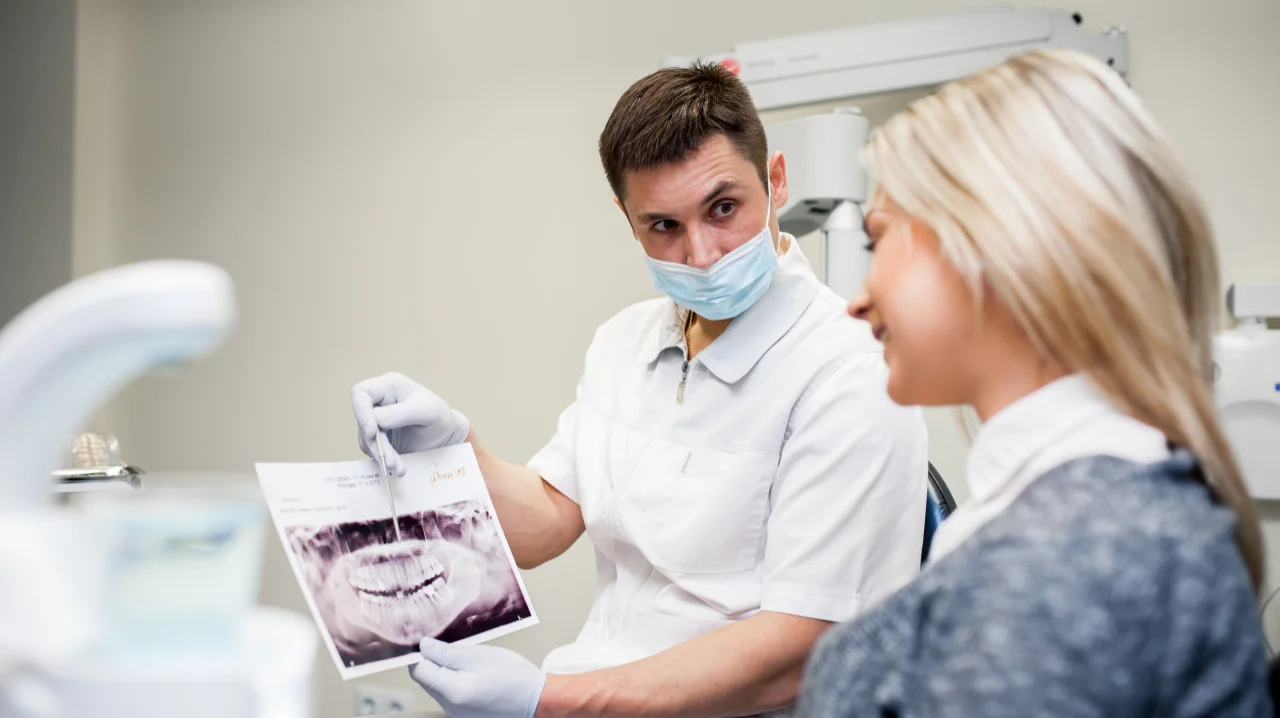
A dental implant is only as steady as the bone that holds it, much like a fence post needs firm ground to stay upright. When a tooth has been missing for a while, that ground may no longer be there. Preparing the jaw can come before the implant itself. This blog covers why jawbone loss is the reason some implants need a bone graft first, which cases often need one, how a 3D scan shows whether bone is enough, which graft options rebuild the jawbone and how the path from graft to implant unfolds.
Jawbone Loss Is Why Some Implants Need a Bone Graft First
Chewing forces travel through a tooth root into the jawbone and keep that bone strong. Once a tooth is gone, the bone in that spot receives less stimulation and gradually shrinks in height and width.
A dental implant needs enough healthy bone around it to stay stable for the long term. When jawbone loss leaves too little height, width or density, a bone graft can add material that the body gradually builds on, giving the implant a firmer foundation.
Which Cases Often Need a Bone Graft First
Not every implant plan includes a graft, but certain histories make it more likely. Comparing your own history with this list can help you know what to ask about.
- Expect a graft discussion when a tooth has been missing for years.
- Consider a graft when gum disease has damaged the bone around a removed tooth.
- Plan for added bone when an upper back tooth sits close to the sinus.
- Anticipate a graft when the jaw ridge is thin or narrow.
- Mention any past infection or injury that affected the jaw.
How a 3D Scan Shows Whether Bone Is Enough
A CBCT scan gives a three-dimensional view of your jaw, which a flat X-ray cannot provide. It shows how tall and wide the bone is where the implant would go and how close that area sits to the sinus and nearby nerves.
For you, that means the decision about a graft is based on measurements rather than guesswork. You can see the findings, ask questions about them and understand why a graft is or is not part of your implant planning. Grand Ledge Smiles uses in-house CBCT 3D imaging for this kind of review.
Which Graft Options Rebuild the Jawbone
Bone grafts come in several forms, each aimed at a different part of the jaw. The right choice depends on where bone has been lost and how much is needed. Graft material may come from your own bone, donated human bone, animal-derived sources or synthetic substitutes, depending on the area being rebuilt and your overall health.
Socket Preservation
A graft placed into the socket right after a tooth is removed helps limit how much bone shrinks during healing.
Ridge Augmentation
This graft rebuilds the width or height of a jaw ridge that has thinned over time, creating a wider base for an implant.
Sinus Lift
For upper back teeth, a sinus lift adds bone beneath the sinus floor where the jaw has become too shallow to hold an implant.
The Path From Graft to Implant Takes Four Stages
The first stage is an evaluation with imaging to measure your bone and map out what is needed. The second is the graft itself, when the material is placed to rebuild the missing bone.
The third stage is healing, during which the graft gradually blends with your natural bone. This period varies from person to person and depends on the type and size of the graft, so follow-up visits are used to confirm progress. The fourth stage is implant placement, once the bone is ready to hold it securely.
Get Your Bone Levels Checked Before Implants at Grand Ledge Smiles in Grand Ledge, MI
Grand Ledge Smiles in Grand Ledge, MI offers in-house CBCT 3D imaging, oral surgery and extractions, and sedation options for patients who want clarity before replacing a missing tooth. Schedule a visit to have your jawbone evaluated and learn which path suits you.
Frequently Asked Questions
What factors can slow down bone graft healing?
Smoking, poorly controlled diabetes, gum infection and certain medications can slow healing, and following aftercare instructions helps. Grand Ledge Smiles offers gum disease therapy with an on-site periodontist to support gum health.
What happens if there is still not enough bone after grafting?
A further graft or a different plan may be considered, depending on how much bone has formed. Follow-up imaging shows where things stand, and Grand Ledge Smiles uses in-house CBCT imaging for that.
Can a bone graft and implant be placed during the same appointment?
Yes, in some cases, when enough existing bone can hold the implant steady. Otherwise the graft heals first. Scan findings guide the decision, and a consultation can show which approach fits your jaw.
Can bone loss occur even when the missing tooth area feels completely normal?
Yes, bone can shrink quietly with no pain or visible change. Grand Ledge Smiles uses digital X-rays and CBCT imaging to check bone levels, even when everything feels normal.
Are dentures an option if a bone graft is not right for me?
Yes, removable dentures can replace missing teeth without a graft. Grand Ledge Smiles offers full and partial dentures, and a consultation can compare them with other tooth replacement options.